

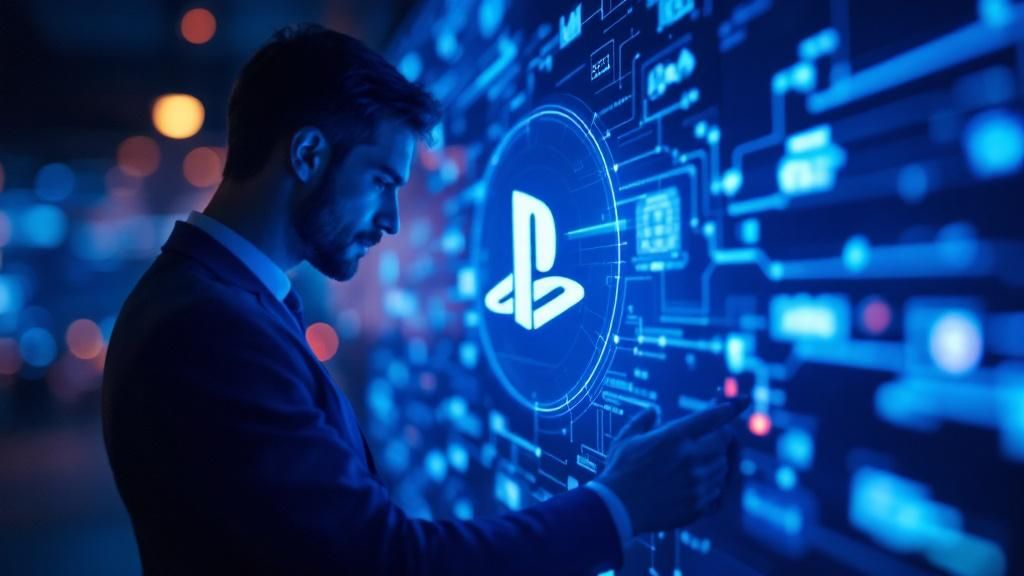
In an increasingly online environment where cyber threats grow more pressing, Sony has announced a thorough redesign of PlayStation Network security measures intended to protect millions of users’ sensitive details. This article examines the innovative capabilities now defending player accounts, detailing how layered access controls, robust cryptographic standards, and continuous attack identification work in combination to create a robust protection against illegal intrusion and information leaks. Discover what these developments mean for your gaming experience and sense of security.
Advanced Encryption and Authentication Procedures
Sony’s most recent PlayStation Network overhaul introduces substantially improved encryption standards that surpass industry benchmarks. The deployment of AES-256 encryption guarantees that all user data, from transaction details to login details, remains virtually impenetrable to malicious actors. This high-level encryption technology represents a significant advancement from previous systems, offering users with enhanced safeguards against data interception and illegal login efforts in transit.
The authentication framework has undergone equally rigorous improvement, introducing multi-stage verification processes that substantially reduce account breach risks. Players now enjoy optional biometric authentication methods, including fingerprint and facial recognition technologies, combined with traditional password-based systems. These supplementary approaches create a strong defensive architecture that adjusts to individual customer needs whilst maintaining optimal security standards across the entire network infrastructure.
Live monitoring systems now systematically monitor for suspicious authentication attempts and unusual account behaviour patterns. Should the system identify unusual behaviour, users receive immediate notifications and can allow or block login attempts directly via their phones. This forward-thinking method significantly diminishes the timeframe available for cybercriminals, enabling rapid response protocols that protect accounts before potential breaches occur or personal data gets exposed.
The integration of hardware security keys provides an extra layer of safeguarding for security-conscious gamers. These hardware authentication tools produce individual confirmation codes, preventing vulnerability to phishing attacks and login information theft. By supporting industry-standard security keys, PlayStation Network now serves users who value maximum protection, guaranteeing that even advanced social engineering attempts cannot breach their accounts.
Session management protocols have been substantially improved to minimise attack surfaces and block token theft attempts. Scheduled session terminations, paired with ongoing verification processes, ensure that unauthorised users cannot maintain continuous access to affected accounts. These refinements signal a core transformation towards zero-trust security frameworks, where every access attempt undergoes rigorous verification regardless of surface-level legitimacy or previous authorisation history.
Multi-Factor Verification and Account Security
PlayStation Network’s strengthened security framework prioritises account safeguarding through robust verification mechanisms. These safeguards markedly decrease the threat of unauthorised entry, confirming that only genuine account owners can interact with their gaming profiles and confidential personal details. By implementing layered security protocols, Sony reflects its pledge to creating a secure setting where players can enjoy their gaming sessions without worries about data compromises or stolen login information.
Two-Factor Authentication Deployment
Two-factor authentication represents a core development in PlayStation Network security, requiring users to submit two separate forms of verification before securing account access. This double-verification system combines something you are aware of, such as a passcode, with something you have, generally a smartphone. By demanding multiple authentication steps, the process effectively prevents unauthorised access even if a password is compromised, significantly reinforcing overall account security and protection for users against bad actors.
Sony’s deployment of two-factor authentication gives users flexibility in choosing their preferred security options. Players can select from several verification methods, covering SMS codes, authenticator apps, and hardware security keys. This flexible system supports diverse user preferences whilst preserving robust security standards. The system integrates smoothly with existing PlayStation accounts, requiring minimal interference to the gaming experience whilst offering maximum protection from complex security threats and unauthorised account takeovers.
- SMS verification codes transmitted to enrolled phone numbers
- Time-based one-time passwords generated by authenticator software
- Hardware authentication devices offering hardware-based verification
- Email confirmation codes functioning as secondary verification alternative method
- Biometric verification options compatible with compatible devices
Immediate Threat Detection and Tracking
PlayStation Network now utilises sophisticated artificial intelligence algorithms that constantly track user accounts for questionable activity. These systems analyse authentication records, geographical data, and payment records instantly, pinpointing emerging dangers before they can jeopardise player security. When unusual patterns appear, the network swiftly informs users and activates safeguarding actions, ensuring that any illegitimate login attempts are swiftly neutralised and scrutinised in detail by Sony’s expert security teams.
The cutting-edge monitoring infrastructure employs machine learning to detect new attack signatures and evolving cyber attack methodologies. By analysing extensive volumes of security data instantaneously, PlayStation Network can differentiate legitimate user behaviour and malicious operations with impressive accuracy. This proactive approach markedly lowers reaction time for security incidents, allowing the platform to protect millions of accounts simultaneously whilst maintaining an superior user experience for all users worldwide.
